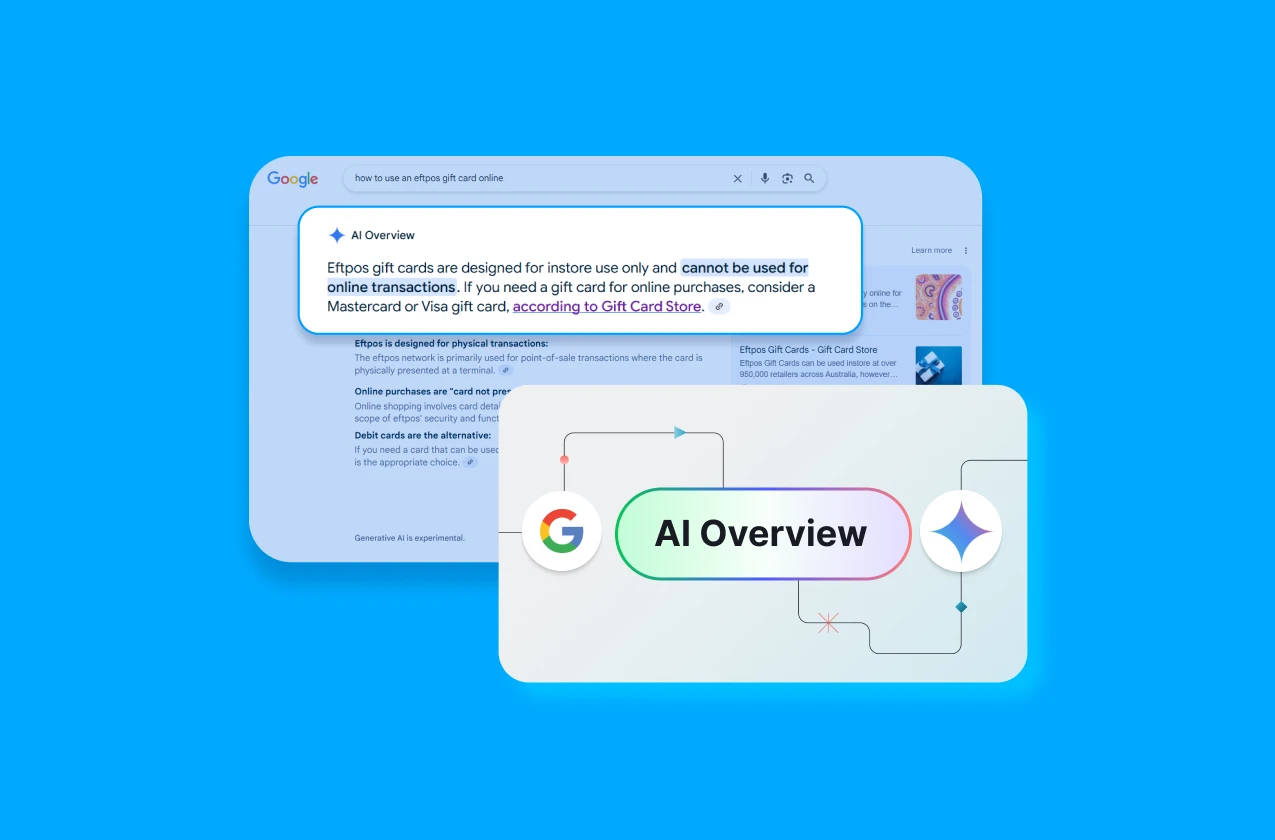
Optimising for AI search doesn’t have to be complicated. Google’s search results are changing faster than ever – and the rise of AI Overviews means marketers need a new playbook. In this guide, we’ll break down the exact steps you can take to rank in AI-driven results, plus one overlooked strategy most businesses miss.
Key Takeaways
-
Understand how AI overview work and keep content simple and direct.
-
Target long-tail, question-based keywords.
-
Double down on traditional SEO rankings.
-
Build authority and backlinks.
-
Fix technical SEO issues with schema and speed.
-
Add multimedia formats.
-
Anticipate and cover follow-up queries.
Why AI Overviews Matter
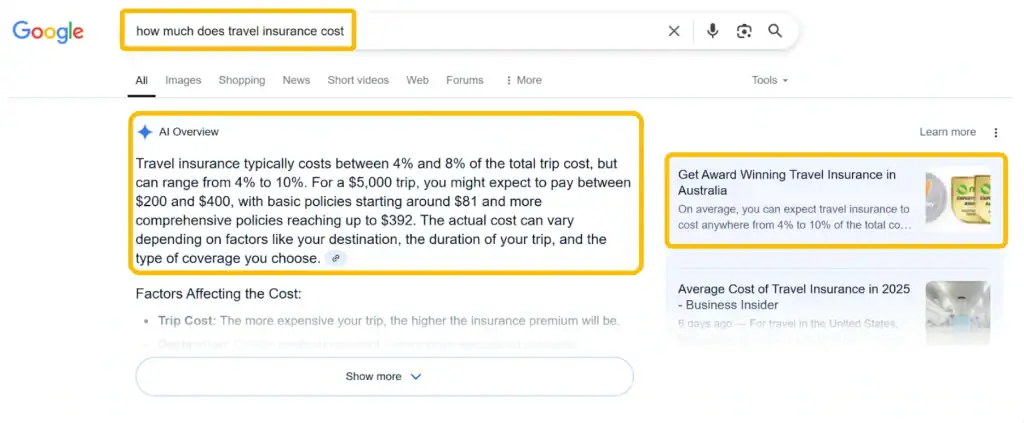
AI Overviews (AIOs) are Google’s way of summarising answers directly in search results. Unlike traditional search snippets, they pull together content from multiple sources into one concise response. That makes it even more important to create content that’s easy for AI to understand, index, and display.
Step 1: Keep It Simple – AI is Lazy
AI rewards simplicity. If your content is overly complex or buried in fluff, Google will find a competitor who delivers the answer more clearly.
Tip: Use direct Q&A formatting and short, scannable paragraphs. For more strategic improvements, explore our SEO services.
Step 2: Target Long-Tail, Question-Based Keywords
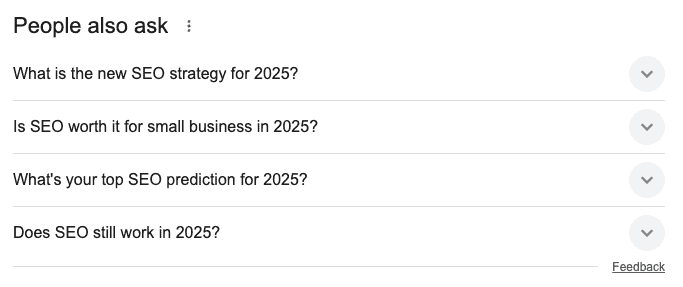
People use conversational queries when searching through AI tools, e.g. “what’s the best SEO strategy for small businesses in 2025?”
Use tools like People Also Ask or AnswerThePublic to find these queries. Build content that answers them directly.

For businesses targeting competitive markets, local SEO strategies can help you dominate niche queries.
Step 3: Don’t Abandon Traditional SEO
Ranking high in traditional search still pays dividends. A page in Position 1 of SERPs has a 53% chance of being pulled into AI Overviews. A page in Position 10? Just 37%.
Investing in core SEO services remains critical.
Step 4: Build Authority & Human Signals
Ironically, Google’s AI is looking for human authority. Backlinks, domain mentions, and trust signals still carry weight.
This is where a strong link building strategy and brand visibility can help elevate your credibility.
Step 5: Optimise Your Technical Setup
AIOs need to understand your site quickly. Make sure:
- Your site loads fast
- It’s mobile friendly
- You’re using schema markup to signal relevance
These technical SEO fundamentals make it easier for AI to map your content to search intent.
Step 6: Leverage Multimedia
AI Overviews aren’t limited to text. They pull from video, infographics, and even podcasts. Diversify your content formats to increase your visibility across search experiences.
We’ve extended strategies across multiple clients for proven success in visibility. One of our biggest clients has recently been optimised for AI Overviews by employing these strategies and their prevalence in AIO improved by 400%.
Step 7: Cover Follow-Up Questions
This is the overlooked strategy. AI doesn’t just answer a single query – it suggests follow-up questions users might ask next. If your content already covers those angles, you’re far more likely to dominate AI results.
If you want your business to show up in AI Overviews before competitors, now is the time to act. At OMG, we help businesses worldwide prepare for the future of search with tailored digital marketing strategies that drive measurable results.
Ready to scale? Contact us today.

About the Author
Andrew Raso
Share