- Home
-

- Blog
-
- News and Industry Updates
-
- AI Mode To Hit Australia & More Digital Marketing News
AI Mode To Hit Australia & More Digital Marketing News
Key Takeaways
-
Google has introduced AI Mode in Search for Australian users, signalling a major shift toward multimodal, AI-led search behaviour.
-
OpenAI’s new AgentKit and ChatGPT apps are turning the platform into an action hub instead of a static chat interface.
-
YouTube’s new Brand Pulse Report gives marketers deeper visibility into brand impact across paid, organic and creator content.
-
Google Ads will now identify and flag low-quality ad images, raising the bar for visual standards in campaigns.
-
Meta AI can now translate Reels into Hindi and Portuguese, widening reach potential for social content and paid ads.
The biggest players in tech aren’t just experimenting with AI anymore; they’re racing to outpace each other. Over the past week alone, Google, OpenAI and Meta have each released updates that redefine how search, advertising and content delivery will work moving forward. These shifts don’t sit on the sidelines of digital marketing but will directly change how brands attract attention, maintain visibility and take advantage of automation. This breakdown covers the most impactful updates and what they signal about where digital strategy is heading next.
#1 AI Mode Comes To Google Search in Australia

Google has expanded AI Mode to Australian users, bringing a new layer of intelligence to the standard search experience. Instead of relying solely on traditional queries, users can now submit longer, multi-step questions and receive AI-generated summaries that pull from multiple sources. The update also supports queries through visuals and voice, giving people the option to search using images or spoken input. Early testing in the US showed that links in AI search responses saw more meaningful engagement compared to traditional click-throughs.
The rollout has also started experimenting with how AI-generated responses integrate with existing search placements like ads and featured snippets. While traditional links still appear, AI summaries now influence what content is shown first and how users decide which pages to visit.
The Gurus’ take
This release cements AI-assisted discovery as a core part of user behaviour rather than an experiment. Instead of scrolling through links, people will interpret answers in a single view before deciding where to click. That means visibility now depends on how well your content serves context, not just keywords. Brands with well-structured, high-quality pages will benefit as AI surfaces informative, trustworthy results.
Another key shift is the growing role of visuals in the discovery process. If image-based search becomes a default option for users comparing products, planning travel or troubleshooting issues, brands without optimised visual assets risk losing ground. The update isn’t only about convenience but also about the pathways people take to find services, products and answers.
Your action plan
- Strengthen key content: Update priority pages so information is easy for AI to scan and surface. Clear layout and relevant depth improve your chances of appearing in AI summaries.
- Improve AI summary eligibility: Ensure pages load quickly and offer clear answers to user intent. Strong formatting and topic relevance increase inclusion likelihood.
- Check schema implementation: Make sure structured data is applied correctly across key pages. AI-driven answers lean heavily on metadata to understand relevance and authority.
- Review internal linking opportunities: Reinforce how pages connect to each other so AI-generated answers can reference deeper content. This helps surface more of your site when summaries are pulled from multiple sources.
- Optimise for natural queries: Review how people ask multi-step or question-based searches related to your brand. Adjust on-page wording to reflect conversational language patterns.
- Add supportive visual elements: Use images, diagrams or product visuals that help AI interpret context. This also improves how your content appears in visual-led search responses.
- Monitor search performance shifts: Track engagement changes on AI-affected keywords using impression and click data. Look for movement in visibility even if rankings stay the same.
- Assess competitor visibility: Observe how rival brands appear in AI summaries or multimodal search. Early insight helps you respond before ranking shifts become permanent.
#2 OpenAI Launches AgentKit for Developers

OpenAI has introduced apps inside ChatGPT, allowing users to handle more complex tasks directly in the platform. Early partners include companies like Canva, Shopify and Spotify, and the rollout lets people interact with apps conversationally instead of navigating external tools. Alongside app integration, OpenAI has launched AgentKit, a toolkit that lets developers create custom AI agents that can take real-world actions based on user requests.
Early demonstrations have shown how AgentKit can trigger actions like drafting emails, managing orders or pulling live data from connected tools. OpenAI has confirmed that third-party developers will be able to deploy agents across both consumer and enterprise environments, which hints at broader integration across industries beyond tech.
The Gurus’ take
This marks a step-change for how AI will embed itself into business operations and user experiences. As ChatGPT evolves into a hub rather than a standalone interaction, brands will need to think beyond content generation and consider real task-based applications. AgentKit levels the playing field by making sophisticated automation more accessible to companies without deep engineering teams.
There’s also a strategic implication: Digital experiences will become less about where users go and more about what they can get done without leaving a platform. Businesses that ignore this shift risk being replaced by agents that complete tasks faster and with fewer steps. Those who lean into AI search and embedded assistants will have the advantage of automation that operates within customer workflows rather than outside them.
Your action plan
- Find automation-ready tasks: Look at manual processes that slow down delivery or support. AI agents can handle these tasks with less friction once implemented.
- Test conversational workflows: Review where customers or staff already rely on step-by-step instructions. Turning these into agent-led flows can reduce response time and workload.
- Review customer-facing agent use cases: Think beyond internal efficiency and consider where AI could support users directly. Simple automated actions can enhance service without replacing human support.
- Evaluate security and governance needs: As agents begin handling real actions, review safeguards around data access and decision-making. Early preparation avoids compliance or privacy issues later.
- Explore partnership openings: Industry apps and third-party platforms may soon connect through AI agents. Being early gives you more control over integration and timing.
- Unlock applied AI insights: Consider how AI could support reporting, research or decision-making tasks. Small pilots can expose bigger opportunities.
- Stay alert to expectation changes: As competitors adopt embedded AI apps, user patience for slow systems drops. Track how these integrations affect behaviour in your niche.
- Document emerging AI use cases: Keep a running list of agent-led capabilities as they appear in your industry. This makes it easier to prioritise where to act first instead of guessing.
#3 YouTube Launches Brand Pulse Report
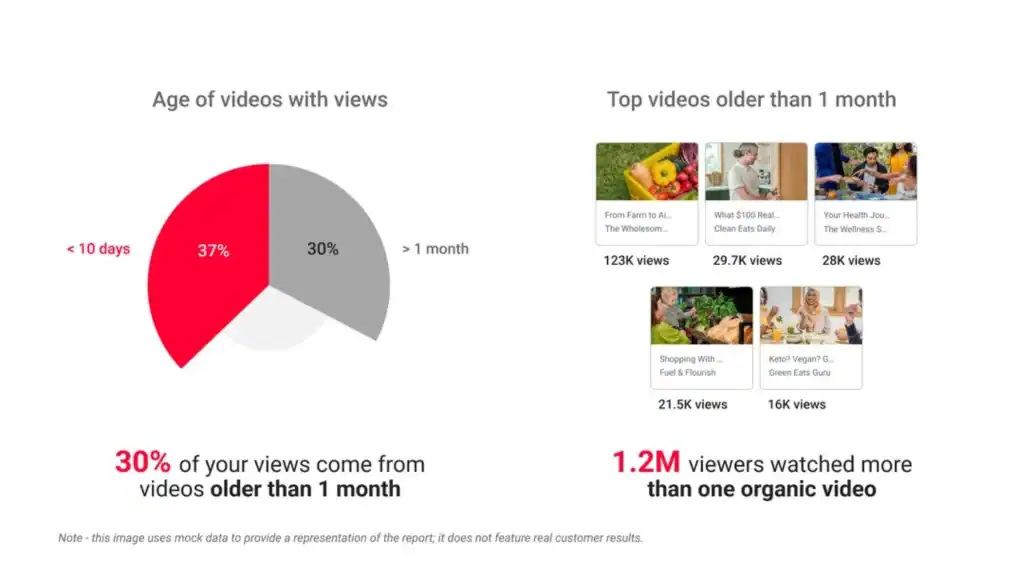
YouTube has released its new Brand Pulse Report, designed to measure how a brand is represented and engaged with across the entire platform. Unlike standard reporting that focuses on paid campaigns alone, this tool brings together data from creator content, organic uploads and user-generated videos. It uses multimodal AI to identify brands through speech, visuals and text, detecting logos, packaging, captions and verbal mentions. Marketers can now see how their brand shows up even in content they haven’t produced or sponsored.
The tool is being tested with select advertisers before wider rollout, with YouTube indicating that additional sentiment analysis and regional breakdowns are in development. As the system learns from broader datasets, it’s expected to surface trends tied to specific audiences, creators and content categories.
The Gurus’ take
This update solves a long-standing blind spot in how brands understand their performance on YouTube. Historically, marketers could measure their ads but not the broader brand ecosystem shaping awareness. Brand Pulse turns YouTube into an insights channel that accounts for conversations, advocacy and visibility beyond campaigns.
It also reframes YouTube as more than a performance platform. With creator content now being measured alongside paid placements, advertisers have a clearer sense of influence that spans the entire funnel. As reporting evolves, it will likely shape how budgets are allocated and how brands evaluate opportunities with creators and organic content.
Your action plan
- Map your YouTube footprint: Check where your brand appears across YouTube advertising, organic content and creator videos. This gives you a baseline before new insights roll out.
- Audit brand consistency in visual assets: Make sure logos, packaging and product visuals used in your videos are up to date. AI recognition relies on these elements to track brand presence accurately.
- Benchmark search trends: Compare brand interest to video performance across campaigns and mentions. Early tracking can reveal gaps in awareness and engagement.
- Monitor creator content trends: Assess the types of content where your brand appears most, even indirectly. This can guide sponsorships and collaborations that align with organic momentum.
- Engage with creator partners: Ask collaborators how often and where your branding appears in their uploads. This supports more strategic placement and message alignment.
- Evaluate cross-channel impact: Look at how YouTube visibility influences branded search, social mentions and referral traffic. Brand Pulse insights will soon connect more directly to attribution.
- Coordinate with your external teams: Share upcoming insights and trends with your YouTube ads agency or partners managing paid campaigns. This creates alignment between organic visibility and overall strategy as Brand Pulse rolls out.
#4 New Google Ads Update Prioritises Image Quality

Google Ads is rolling out automatic detection for low-quality or blurry images used in ad creatives. Advertisers uploading visuals may now see alerts prompting them to replace, edit or enhance assets. The Recommendations tab will include suggestions, and some fixes can be applied directly through the platform. This rollout targets images across surfaces like Display, Discovery and Gmail, where clarity influences both performance and trust.
Early feedback suggests the update is part of Google’s push to unify ad quality standards across formats and devices. The system is not only flagging low-resolution files but also identifying visuals that appear distorted when scaled, which affects both mobile and desktop placements.
The Gurus’ take
This update signals a shift in expectations around visual quality. As competition intensifies in paid media, creative execution is no longer optional as it’s directly tied to ad visibility. Low-resolution or poorly composed assets can now trigger platform-level downgrades or missed opportunities altogether.
The change also highlights the growing role AI will play in maintaining PPC ad standards. Instead of waiting for weak performance to reveal a problem, the platform itself is scanning assets before they have the chance to underperform. Brands that rely on rushed creatives or recycled imagery will face increased intervention from Google’s systems.
Your action plan
- Review current creative assets: Look at all active ad visuals through the lens of clarity and presentation. Anything of low quality should be prioritised for replacement.
- Audit third-party creative sources: If you rely on freelancers, marketplaces or legacy files, review their outputs for compliance. External assets are often where quality gaps appear first.
- Refresh weak imagery: Replace compressed or outdated graphics with sharper files. This reduces the risk of Google flagging or downgrading your ads.
- Standardise aspect ratios and formats: Check that image dimensions match platform recommendations for each ad type. Cropping or distortion can trigger quality flags even when images look high resolution.
- Create a pre-upload check: Implement a quick review step before adding new visuals. This stops repeated issues from appearing across campaigns.
- Store editable source files: Keep layered or original design files organised for fast edits. This speeds up replacement when a flagged asset needs to be updated without starting from scratch.
- Test the impact of updated assets: Compare performance between refreshed and existing creatives. Even small improvements can lift engagement quickly.
- Educate teams on new standards: Make sure designers and ad managers understand quality expectations. Consistency now prevents disruptions later.
#5 Reels Now Translated in Hindi and Portuguese

Meta has expanded its AI-powered translation feature for Reels to include Hindi and Portuguese, adding to the existing English and Spanish support. This allows creators and brands to reach larger multilingual audiences on Instagram and Facebook. The system translates both audio and captions and, in some cases, matches the creator’s voice using AI-generated dubbing to maintain authenticity. It also gives users control over translation preferences via settings.
Meta has also hinted that translation support for additional languages is already in development, including Indonesian and French. As more regions gain access, translated Reels may influence how Instagram and Facebook surface multilingual content in recommendations and suggested feeds.
The Gurus’ take
Social content is now being positioned as borderless by design. As Meta pushes AI-driven translation further, the performance of videos will increasingly be shaped by how well content resonates with broader audiences, not just local ones. The expansion into Hindi and Portuguese signals a focus on regions with high social media adoption and fast growth potential.
This also changes how brands treat creative planning. Instead of producing separate assets per market, one well-executed piece of content could scale efficiently across multiple regions. Brands that adapt quickly will benefit from increased reach and engagement without added production overhead.
Your action plan
- Select content with expansion potential: Review high-performing Reels that could resonate across new regions. Translation makes existing assets work harder without new production.
- Check cultural cues in visuals and language: Make sure gestures, symbols or phrases used in Reels translate well across regions. What resonates in one market may fall flat in another, even with translation.
- Support content with clarity: Use captions, pacing and visuals that still communicate without voice reliance. This improves adaptability across languages.
- Scan caption structure: Check that captions are concise and easy for AI to translate accurately. Long or stylised text can affect how well Reels perform in translated formats.
- Assess sound design for dubbing: Audio without heavy background noise or music layers translates more accurately. Clean tracks improve AI-generated dubbing in new languages.
- Map region-specific performance trends: Analyse where your Reels already see unexpected traction in non-English regions. This helps you prioritise which markets to localise first, rather than translating everything at once.
- Track audience shifts: Watch performance by language once translations launch. This allows you to identify where demand is building fastest.
- Integrate multilingual reach into planning: Look at how translated Reels can support your broader social media ads strategy. Cross-region reach can compound growth without extra spend.
Turn Weekly Updates Into Action With Online Marketing Gurus
The pace of innovation is accelerating, and the companies shaping digital ecosystems are competing through AI-led advancements. These updates aren’t isolated but reflect a broader direction where automation, multimodal search, multilingual content and intelligent reporting become standard.
Staying informed isn’t enough. Progress comes from acting with intention. Whether you’re shifting to AI-led search, refining paid media or growing through global content, execution is what creates the advantage.
If you’re looking to leverage these rollouts, Online Marketing Gurus can help you apply the right strategy at the right time. From AI integration and SEO to performance media and social expansion, our team translates industry updates into outcomes that move the needle.
Reach out when you’re ready to turn this week’s news into your next competitive edge.

About the Author
Andrew Raso
Share