- Home
-

- Blog
-
- News and Industry Updates
-
- Google Maps & Teens In The Digital Marketing Spotlight
Google Maps & Teens In The Digital Marketing Spotlight
Key Takeaways
-
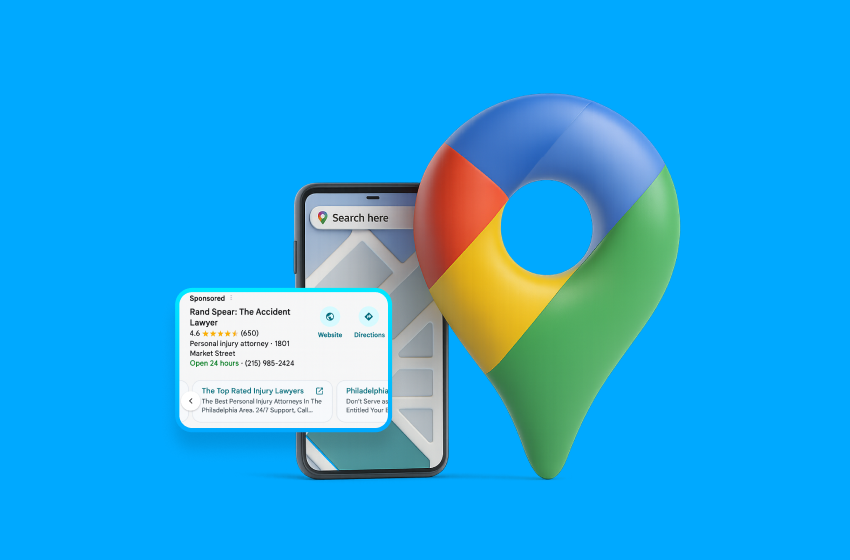
Local SEO and search advertising are evolving fast, as Google Maps introduces scrollable sitelinks that turn local advertising into powerful, conversion-driven touchpoints for nearby customers.
-
Meta’s attribution and engagement updates redefine how results are measured. Tracking conversions, clicks and interactions now requires deeper analysis to separate value from vanity.
-
Google’s latest changes improve transparency and creative flexibility, from Discover source overviews to new PMax vertical ad specs that streamline content for mobile-first audiences.
-
Google Shopping and Merchant Center policy updates demand tighter ad compliance, with more rules on misrepresentation and stronger alignment between listings, site policies and authentic customer experiences.
-
Social platforms are prioritising teen safety, with Instagram and YouTube introducing stricter guidelines and wellbeing-focused content tools shaping how brands communicate with younger audiences.
-
Content cadence matters more than volume. TikTok data confirms that 2–5 high-quality posts a week outperform oversaturated feeds.
It’s been a big month for anyone who lives in the land of clicks, conversions and ad campaign optimisations. Meta, Google and industry experts have dropped new rules, tools and talking points, and this digital marketing news roundup has all the highlights.
Let’s unpack what’s new and how it’s set to change your marketing game.
#1 Google Maps Ads Get Scrollable Sitelinks Boost
Google has enabled scrollable sitelinks for its Google Maps ad placements, meaning promoted pins can now display a carousel of clickable links beneath the main ad. These can be created through both Search and Performance Max campaigns, and you’ll need at least two sitelinks set for desktop and mobile to activate the feature.
This development makes Maps ads more actionable, as users can tap directly to specific landing pages (like product pages, booking forms or opening hours) without leaving the map view. For local marketers, especially, this is a meaningful shift in how PPC and local ads perform.
The Gurus’ Take
In our experience, clients running local-footprint campaigns have always treated Google Maps as a last-mile connection point. With scrollable sitelinks now live, we’re flipping that mindset: treat Maps as a full funnel touchpoint rather than just a “get directions” ad.
Moreover, we should not assume local advertising means generic copy and a map-pin. This feature gives you extra clicks, deeper landing opportunities and better conversion paths. Check your sitelink strategy and align it with your location intent: features like “View menu”, “Book now” or “Latest offer” become significantly more valuable in the Maps environment.
Your Action Plan
- Review all active Google Ads campaigns eligible for Maps-based assets and confirm mapping to sitelinks.
- Create at least two sitelinks per eligible ad group: one targeting desktop, one mobile.
- Link sitelinks to high-intent pages (e.g., “Call store”, “View offers”, “Directions”).
- Track performance specifically for Maps placements and compare cost-per-conversion with standard ads.
- Align this with your local SEO strategy and map-based user journeys for maximum visibility.
#2 Meta Updates Click Attribution Definition for Better Conversion Insights
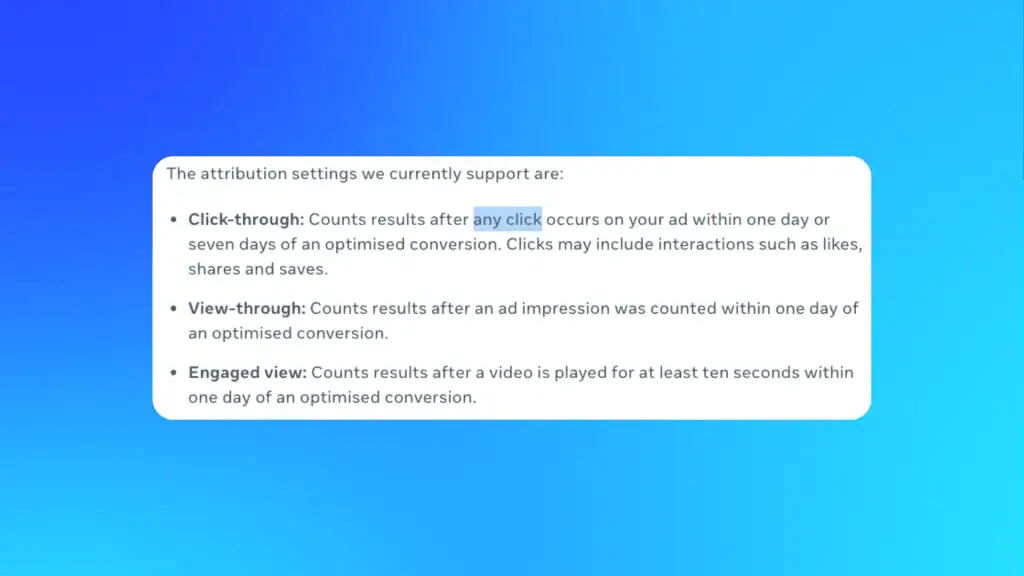
The update from Meta clarifies that any click on a Meta ad, whether a link click, like, share or save, counts as a conversion if a conversion event happens within a 1-day or 7-day attribution window. While this offers more transparency around what “click attribution” means, it groups link clicks and engagement clicks together, which makes it harder to isolate conversions that drive traffic versus social engagement.
In practice, you may see inflated conversion numbers in your Facebook advertising reports under this new model. Metrics could look healthier, but if you’re not distinguishing between a genuine outbound link click and a simple “save” or “share”, you risk misinterpreting what you’re really getting for your spend on digital marketing.
The Gurus’ take
We’ve seen clients who thought their meta ads were outperforming, only to discover a large chunk of reported “conversions” never triggered website traffic. From our vantage point, the key is to reconcile the new attribution definition with internal conversion tracking so you’re not trusting superficial clicks.
Our advice? Don’t get pulled in by the higher conversion number alone. Instead, layer in your own data. Use UTM links, compare link-click conversions against all-click conversions and flag if the ratio swings too far in favour of non-link engagement. If you keep those filters in play, your campaign will stay on solid ground rather than floating on vanity metrics.
Your action plan
- Review your ad reports to see how many “conversions” came from non-link clicks.
- Update campaign dashboards to separate link-click conversions from likes/shares/saves.
- Adjust your Meta ads strategy in the context of this change, and talk to your team about what true success looks like under this model.
- Consider outsourcing to a specialist Facebook Ads Management team for ad campaign optimisations.
#3 Google Introduces Help Page for Discover Feed Source Overview

Google has launched a new help page that breaks down how Google Discover displays background information about websites in its feed. These “source overviews” pull data from trusted public sources to help users understand the origin of content before clicking through.
It’s a search transparency play that gives readers more context and gives brands a reason to keep their reputation, credibility and SEO visibility squeaky clean in the world of digital marketing.
The Gurus’ take
So many brands tend to underestimate how Discover influences traffic spikes. This move from Google highlights just how much reputation matters in organic discovery. When your site’s background and reliability are showcased clearly, you’re more likely to earn user clicks.
The best direction forward for your in-house team or SEO service provider is not to treat Discover as “extra exposure”. It’s an evolving ecosystem that rewards transparency and credibility. Build clear author pages, accurate schema and fresh, well-sourced content because these will establish your foundation. The stronger your signals, the steadier your visibility.
Your action plan
- Check how your brand appears in Discover’s source overview.
- Correct inaccurate site information through the feedback option.
- Audit author profiles and company info for credibility.
- Prioritise transparency and consistent branding across web assets.
#4 Google Ads PMax Now Supports 9 by 16 Vertical Image Ads with New Specs

Google Ads has expanded PMax campaigns to support vertical image ads in a 9:16 ratio, which aligns with story-style formats used across YouTube Shorts and mobile placements. The update standardises creative specs (recommended at 1080×1920 pixels) to simplify uploads and improve cross-platform consistency. Such enhancement gives advertisers flexibility to repurpose content and tap into mobile-first audiences, an essential step in today’s PPC and digital marketing space.
The Gurus’ take
When it comes to Google Ads management, we’ve long encouraged clients to think vertically, not just creatively. Audiences scroll with their thumbs, and vertical assets meet them where they are. This update eliminates the technical headache of constant resizing, which means faster testing and stronger engagement.
If you’re planning new campaigns, prioritise fresh creative built for vertical-first viewing rather than cropping old assets. It’s a slight workflow shift that can dramatically lift reach and performance in Google Ads.
Your action plan
- Audit your current creative assets for vertical compatibility.
- Refresh ad templates to meet the new 9:16 ratio specs.
- Test performance across YouTube Shorts and mobile placements.
- Track engagement differences between landscape and vertical formats.
- Build new assets with vertical storytelling in mind.
#5 Google Updates Misrepresentation Policy for Shopping Ads and Google Merchant Center Listings

Google has updated its policy for misrepresentation within the Google Merchant Center. The goal is to bring sharper clarity to rules around paid and free listings in its shopping ecosystem. The update offers more explicit examples of non-compliance, from non-delivery and broken refund processes to misleading affiliations and hidden fees.
For eCommerce marketing pros, this means ad and feed data must align closely with site reality to maintain visibility and trust. Any mismatch between feed, ad and landing page now carries a higher risk under the new policy.
The Gurus’ take
Merchants get hit by account suspensions for minor misalignments, like a discount ad didn’t match checkout or a return policy wasn’t clear. These policy updates show how Google is tightening the funnel and watching closely. Treat your feed, ad and site as one system, not separate silos.
A simple yet profound lesson from this is not to bury ad compliance in the tech team and creative team alone. Make policy-risk part of your campaign planning. You might be focused on growth in your Google Merchant Center and Shopping ads, but if the backend isn’t bullet-proof, the accelerator could turn into a liability.
Your action plan
- Audit your feed versus landing page: pricing, availability, return policy.
- Map any claims in your Shopping ads to actual fulfilment and support flows.
- Flag any language suggesting unauthorised brand affiliation or exaggerated claims.
- Train your team on the updated policy so everyone speaks the same ad compliance language.
- Reach out for expert support with our Google Shopping service if you’re unsure about navigating this and other policy updates.
#6 Instagram Revamps Teen Accounts with PG-13 Guidelines and New Parental Controls

Meta has expanded its AI-powered translation feature for Reels to include Hindi and Portuguese, adding to the existing English and Spanish support. This allows creators aInstagram is overhauling its teen account settings by defaulting users under 18 to a “13+” content experience aligned with PG-13 movie-rating standards. Teens will now automatically see fewer posts with strong language, risky stunts or behaviours like alcohol or drug use.
The update also introduces a new “Limited Content” mode for parents who want stricter controls: no comments, limited interactions and tighter filters on what’s recommended. These changes signal a major shift in how social platforms are balancing engagement with teen safety in the age of social-media-driven equity.
The Gurus’ take
In our work with brands across social, we’ve seen younger audiences react quicker to content changes, and these adjustments on Instagram force marketers to reconsider how they design digital marketing campaigns for teens. If you’re using Instagram ads for younger demographics, you’ll need to rethink your target segments and creative tone to align with PG-13-safe standards.
For us, this update is an opportunity to earn trust in digital spaces where authenticity matters more than ever. If you continue using edgy or adult-style hooks for youth in your social media ads, you risk lower reach or worse: a mismatch with the IG system. And if you’re building your Instagram marketing plan, this change should be on your radar early.
Your action plan
- Update your audience segmentation. Flag campaigns targeting under-18s for review.
- Audit all teen-facing creative for language or imagery that may breach PG-13 style limits.
- Set up a clear strategy for parental-control-aware parents or guardians of teen users.
- Track shifts in ad performance for younger demographics and mirror what’s working for older ones.
#7 YouTube Rolls Out New Mental Health Support Tools Built for Teens
Video giant YouTube has launched dedicated mental-health and wellbeing tools aimed at users aged 13 to 17. The update introduces a curated “shelf” of videos on topics such as anxiety, depression, ADHD and eating disorders, created in partnership with trusted organisations and tailored to teen viewers.
For content teams, this shift means one thing: wellbeing-driven content and safe experiences now carry more weight on YouTube. The move signals the evolution of social platforms within the broader digital marketing ecosystem.
The Gurus’ Take
In our work with creators and advertisers, we’ve observed that youth-audience campaigns can no longer lean solely on catchy visuals or viral hooks. This update from YouTube emphasises sensitivity and authenticity first, especially when discussing wellness or emotional themes.
If your social strategy considers teens, integrate content rigour, clarity and transparency into your creative brief. If you rely on shallow, clickbait-style messaging, you’re probably missing the mark. And if you’re running YouTube advertising, this shift affects how you position content within your funnel.
Your Action Plan
- Audit any YouTube advertising campaigns targeting teens with themes related to emotional wellness.
- Update creative briefs to include expert-backed references and age-appropriate messaging.
- Explore how your social media content strategy supports teen wellbeing, rather than simply focusing on “engagement”.
- Review partner channels and creators for credibility and alignment with your brand ethos.
#8 Meta Is Changing Post Engagement to Interactions

Meta is replacing the “Post engagement” campaign objective with a new metric dubbed “Interactions”. Under this new definition, only likes, comments, shares and saves count; whereas the old model included video plays, photo views, link clicks and other engagement actions.
For advertisers using Meta ads, this means fewer overall results will be reported, and cost-per-result is likely to rise. The change is designed to balance social media ad delivery across formats and reduce bias towards video-heavy placements.
The Gurus’ Take
In practice, we observed campaigns shift from a high “engagement” metric down to a more modest “interaction” count overnight. That change forced us to question whether the earlier metric was inflated by superficial views and clicks rather than meaningful social actions.
If you’re managing Facebook advertising campaigns, remember not to misread a number drop as failure. Recalibrate your benchmarks, and focus on true social proof (shares, comments) rather than mere format-based clicks. This update is part of a broader shift in how digital marketing performance is valued.
Your Action Plan
- Audit any active social media ads using the old “Post engagement” objective and switch to “Interactions”.
- Re-set your KPIs to reflect likes, comments, shares and saves; not just views or clicks.
- Track cost-per-interaction and compare against past cost-per-engagement for insights.
- Adjust your creative and CTA language to provoke comments and shares, instead of passive clicks.
- Consider a paid social advertising expert when redesigning campaigns around this update.
#9 Meta Launches Beta of Video Generation Feature for AI-Powered Ad Videos

Meta has rolled out a beta version of its new AI video generation feature, which transforms static images into animated, multi-scene videos complete with text overlays and music. Advertisers simply upload a few images and provide a URL; Meta’s system then stitches together the visuals, brand assets and site content into a dynamic video format.
This innovation shifts how you approach creativity for your Facebook advertising campaigns or Instagram placements. It accelerates video production, reduces the burden on creative resources and opens up new possibilities for scaling your digital campaign strategy.
The Gurus’ Take
We’ve already trialled the beta and noticed one major advantage: when you’re juggling limited creative assets, this tool lets you turn those assets into fresh-looking videos without the usual video-shoot timeframe. That translates to faster go-live and more testing.
However, this AI video generation feature isn’t a miracle button (nothing is). Video narrative still matters. Use the tool to generate variations, but you still need to filter and refine. Ask yourself what the video must say, not just how it looks. And if you’re working your social media ads hard, this feature should become part of your creative playbook.
Your Action Plan
- Upload your strongest image assets and test the Video Generation beta tool.
- Create 3–5 video variations and compare performance vs your standard video creative.
- Adjust your creative brief to include AI video generation as a workflow element.
- Monitor CPA and engagement metrics of this particular digital marketing move to validate if this format drives better results.
#10 Study Shows 2–5 Weekly TikToks Deliver Biggest View Increase

A recent study by Buffer analysed 11.4 million posts on TikTok and found that posting 2–5 times a week offers the steepest lift in views per post, roughly 17 per cent more than posting once weekly.
While posting more (6–10 or 11+ times per week) does yield higher ceiling performance, the median views per post remain relatively flat. This means you’ll raise your chance of a breakout hit, but increasing volume alone won’t automatically boost typical post performance.
The Gurus’ Take
Many assume that ‘more is better’ on TikTok marketing, but this data makes you (and us) pause. It’s certainly possible to post daily and burn out your digital marketing and creative teams without seeing proportional gains.
Perhaps this study is nudging us to focus on quality and consistency first. Lock in a 2–5 posts per week rhythm, optimise your hooks and creative format and then scale volume if you have the assets. Remember, TikTok is as much a chance for a breakout as it is for a reliable run-rate campaign.
Your Action Plan
- Select 2–5 strong content ideas per week and commit to that cadence.
- Create a content calendar with time slots for ideation, production and upload.
- Monitor views and engagement per post and compare versus baseline weeks.
- If you can manage higher content frequency, consider testing a 6+ weekly post schedule, but prioritise creative quality.
- Consider a TikTok advertising expert to support paid and organic integration.
Turn Weekly Updates Into Action With Online Marketing Gurus
Digital marketing never slows down, and neither do we. At Online Marketing Gurus, we stay ahead of every update, algorithm tweak and ad shift so your brand doesn’t have to play catch-up.
Our over a decade of experience, 40+ awards and team of world-class SEO and paid media experts can turn insights into tangible, measurable growth. If you’re ready to outsmart your competitors and future-proof your digital marketing, contact us for a free strategy session.

About the Author
Andrew Raso
Share